|


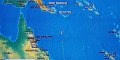
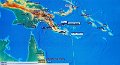
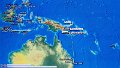
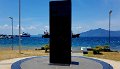
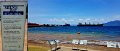
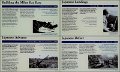
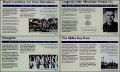
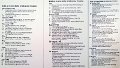
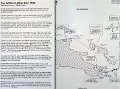
| Our first stop. Alotau and Milne Bay (WWII) By August 1942, the Japanese had been in New Guinea for five months. Their prime objective was the capture of Port Moresby, but a naval force attempting to attack Port Moresby from the sea was turned back at the Battle of the Coral Sea. With the navy thwarted by sea, the Japanese army set out to capture Port Moresby from the north, by crossing the Owen Stanley Ranges via the Kokoda Trail. A key strategic point was now Milne Bay, a deep natural harbour at the eastern tip of the island of New Guinea. With aircraft based there, the allies would be able to make any further naval ventures in the area very dangerous for the Japanese. As an added advantage, allied aircraft would be able to attack the Japanese on the north coast without first making the climb over the Owen Stanleys. From the Japanese point of view, it was essential to prevent the Allies from gaining such a strategically sited air base. In addition, the navy wanted to save face by making its own contribution to the capture of Port Moresby, and thought that Milne Bay would make a good jumping-off point for an attack along the south coast. |
|
|
|
|
|
| ||||||
|
|
|
|
|
| ||||||
|
|
|
|
|
| ||||||
|
|
|
|
|
| ||||||
|
|
|
|
|
| ||||||
|
|
|
|
|
| ||||||
|
|
|
|
|
| ||||||
|
|
|
|
|
| ||||||
|
|
|
|
|
| ||||||
|
|
|
|
|
| ||||||
|
|
|
|
|
| ||||||
|
|
|
|
|
|

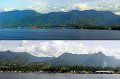
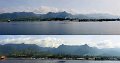
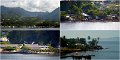
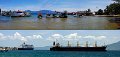
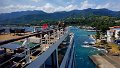
.JPG "Alotau port arrival (Milne Bay)")
.JPG "Alotau port arrival")
.JPG "Alotau port arrival")
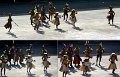
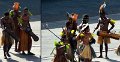
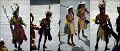
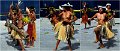

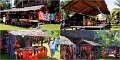
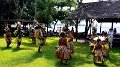
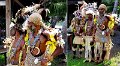
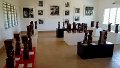
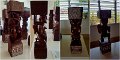
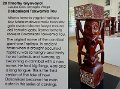
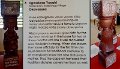
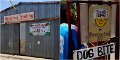
.JPG "Alotau Cultural exhibition centre")

.JPG "Alotau Cultural exhibition centre")
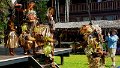
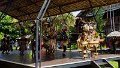
.JPG "Alotau Cultural exhibition centre")
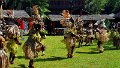

.JPG "Alotau Cultural exhibition centre")
.JPG "Alotau Cultural exhibition centre")

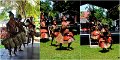
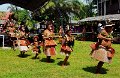

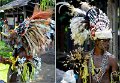
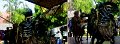
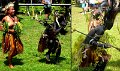
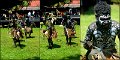
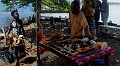
.JPG "Alotau Cultural exhibition centre")


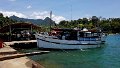
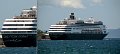
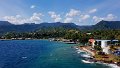
.JPG "Alotau harbour")
.JPG "Alotau harbour")
.JPG "Alotau harbour")

| Total images: 72 | Create web photo albums with Jalbum | Chameleon skin | Help |